







CBD in Cancer Treatment
CBD, short for cannabidiol, shows up more and more as a helpful tool for people fighting cancer and looking to ease symptoms. It comes from the hemp plant but doesn’t cause the high that THC does, making it a popular choice for feeling good without fuzzing your mind. Research says CBD might improve overall health and reduce pain, especially during tough battles with illness. Many have noticed better sleep and less ache after trying it firsthand. Here’s a cool fact: unlike THC, CBD doesn’t mess with your brain, so it offers a safer way to try natural health boosts. If curious about herbal options, learning how CBD fits into your wellness plan might flip the script on your health journey. Keep going to discover little-known tips that could lift your mood and body soon.
One area of interest is CBD’s potential anti-cancer properties. Preclinical studies have shown that CBD may inhibit the growth and spread of cancer cells by inducing apoptosis (cell death) and inhibiting angiogenesis (the formation of new blood vessels that tumors need to grow). Additionally, CBD has demonstrated anti-inflammatory and antioxidant effects, which may help reduce inflammation and oxidative stress, both of which are implicated in cancer development and progression.
Moreover, CBD may enhance the efficacy of conventional cancer treatments such as chemotherapy and radiation therapy. Some research suggests that CBD may increase the sensitivity of cancer cells to chemotherapy drugs, allowing for lower doses of chemotherapy to be used while maintaining therapeutic efficacy. Additionally, CBD’s anti-nausea and anti-anxiety properties may help alleviate the side effects of chemotherapy and radiation therapy, improving the quality of life for cancer patients undergoing treatment.
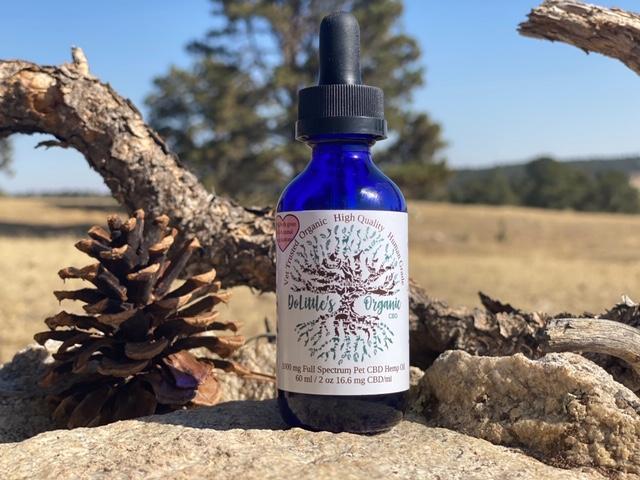
In addition to its potential anti-cancer effects, CBD may also help manage cancer-related symptoms and improve overall well-being in cancer patients. Many cancer patients experience pain, nausea, loss of appetite, and sleep disturbances, all of which can significantly impact their quality of life. CBD has shown promise in alleviating these symptoms, primarily through its analgesic (pain-relieving), antiemetic (anti-nausea), appetite-stimulating, and anxiolytic (anxiety-reducing) effects. By providing relief from these symptoms, CBD may help cancer patients better tolerate treatment and improve their overall quality of life.
It’s important to note that while CBD shows promise as a complementary therapy for cancer treatment and symptom management, more research is needed to fully understand its mechanisms of action and efficacy in cancer care. Additionally, CBD should not be viewed as a replacement for conventional cancer treatments but rather as a potential adjunct therapy to be used in conjunction with standard treatments under the guidance of a healthcare professional.
In conclusion, CBD holds promise as a complementary therapy for cancer treatment and symptom management. Its potential anti-cancer properties, ability to enhance the efficacy of conventional treatments, and ability to alleviate cancer-related symptoms make it a promising option for cancer patients seeking alternative therapies. However, further research is needed to fully elucidate CBD’s effects on cancer and to determine its optimal use in cancer care.
As research into CBD and cancer continues to evolve, ongoing clinical trials are exploring its potential therapeutic benefits in various types of cancer. These studies aim to further elucidate CBD’s mechanisms of action, determine optimal dosing regimens, and assess its safety and efficacy in cancer patients. By rigorously evaluating CBD in clinical settings, researchers hope to provide more definitive evidence regarding its role in cancer treatment and symptom management.
Moreover, as public interest in CBD grows, there is a need for clear and accurate information regarding its potential benefits and risks. Healthcare providers play a crucial role in educating patients about CBD, discussing its potential uses, and guiding them in making informed decisions about its incorporation into their cancer care plans from Minimalist Focus. Open and transparent communication between patients and healthcare providers is essential to ensure that CBD is used safely and effectively as part of a comprehensive approach to cancer treatment and supportive care.


